Hot-rolled H-beams are widely used in industrial buildings because their flange and web proportions provide efficient resistance to bending and compression. They may be used as columns, beams, equipment supports and secondary framing, depending on the structural system and project requirements.
This guide outlines common hot-rolled H-beam applications, the information needed for specification and the checks buyers should make before procurement.
Common applications of hot-rolled H-beams
Industrial warehouses and workshops
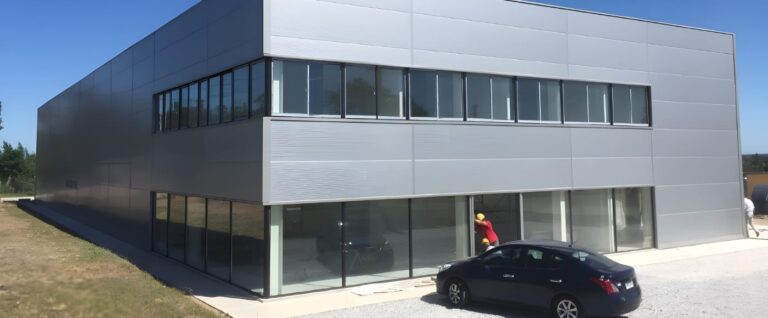
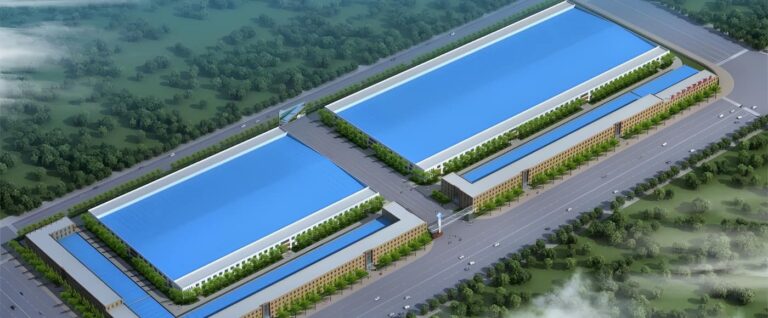
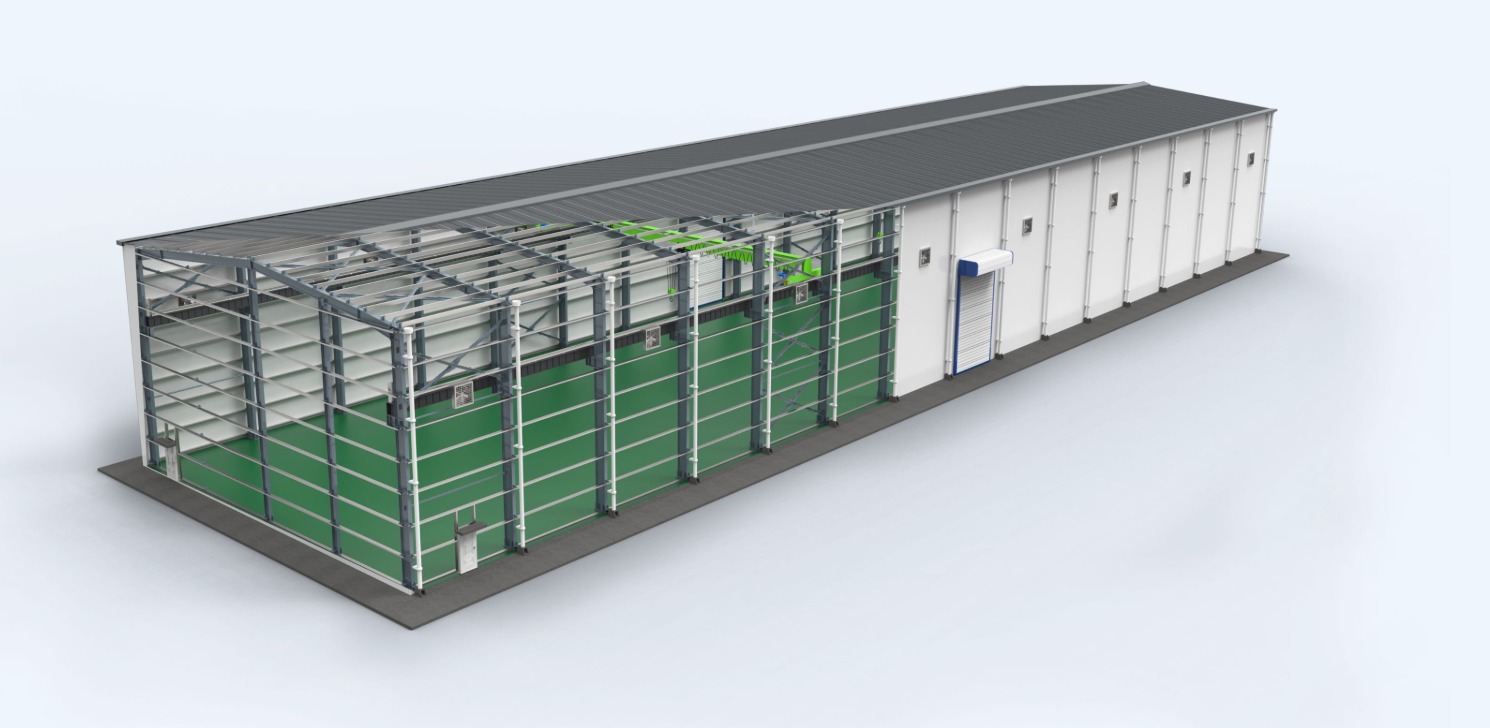
H-beams can form columns, transfer beams, mezzanine framing and equipment-support structures in warehouses and workshops. Their suitability depends on span, grid, clear height, loads, connection design and the availability of standard sections in the project market.
Multi-storey industrial buildings
In multi-storey facilities, H-beams may be combined with braced frames, moment frames or composite floor systems. Floor vibration, fire resistance, service openings and erection sequence should be considered together with member strength.
Crane and equipment support
Crane runways and equipment platforms introduce concentrated, dynamic and sometimes fatigue-sensitive loads. The design should confirm wheel loads, impact allowance, alignment tolerances, lateral forces and connection details. These members should not be selected from span tables alone.
Supporting frames and infrastructure
H-beams are also used in pipe racks, maintenance platforms and supporting frames. Exposure, access for inspection and coordination with mechanical systems often determine the most practical coating and connection arrangement.
Hot-rolled H-beam grades and standards
The required steel grade and product standard should be stated in the project specification. Equivalent-looking sections can have different dimensions, tolerances, chemical composition and mechanical properties.
Before ordering, confirm:
- the governing product and structural design standards;
- steel grade, yield strength and toughness requirements;
- section size, mass and dimensional tolerances;
- mill certificates and heat-number traceability;
- welding procedure and consumable compatibility;
- surface preparation and corrosion-protection system.
For export projects, the design team should also confirm whether locally available sections can be substituted and how any substitution will be reviewed and documented.
Rolled sections versus fabricated built-up sections
Hot-rolled H-beams are produced in standard sizes and can simplify procurement when suitable sections are available. Fabricated built-up members allow the flange and web dimensions to be tailored for longer spans, heavier loads or tapered portal frames.
The choice should be based on structural efficiency, availability, fabrication capability, connection details, transport constraints and total installed cost. A heavier standard section is not always cheaper, and a lighter built-up member is not always faster to fabricate.
Connections require project-specific engineering
Bolted and welded connections must transfer the forces shown by the structural analysis. End plates, base plates, stiffeners, splice locations, bolt grades and weld sizes should be defined on approved drawings.
Buyers should check that fabrication drawings use a controlled revision system and that inspection points cover dimensions, hole positions, weld quality and member identification. Unapproved site modifications can change the load path and should be reviewed by the responsible engineer.
Corrosion protection for Southeast Asia and the Middle East
Humidity, coastal salts, industrial contaminants, heat and dust can affect the protection system. The coating specification should match the exposure category and the required maintenance strategy.
Define the surface preparation, coating type, dry-film thickness, colour, inspection method and repair procedure. Areas that will be enclosed or difficult to access after erection deserve particular attention during fabrication.
Procurement checklist for H-beam packages
- approved member schedule and fabrication drawings;
- material certificates linked to member identification;
- cutting, drilling and welding inspection records;
- connection bolts, plates and accessories included in the scope;
- coating records and repair materials;
- packing list, shipping marks and erection sequence;
- clear list of exclusions and site responsibilities.
From member selection to a complete building package
H-beams should be evaluated as part of the complete structure rather than as an isolated product. HUAXIN coordinates member selection, connection detailing, fabrication, inspection, export packing and erection support around the approved project scope.
Explore our steel structure products and overseas project capabilities. For a quotation, send the project location, drawings, load requirements and delivery schedule through our contact page or WhatsApp.